目錄最簡(jiǎn)單的英語(yǔ)句子三年級(jí)上冊(cè) 三年級(jí)下冊(cè)英語(yǔ)(人教版) 三年級(jí)上冊(cè)英語(yǔ)一單元句子 三年級(jí)英語(yǔ)上冊(cè)句子一問(wèn)一答 英語(yǔ)三年級(jí)上冊(cè)重點(diǎn)句子
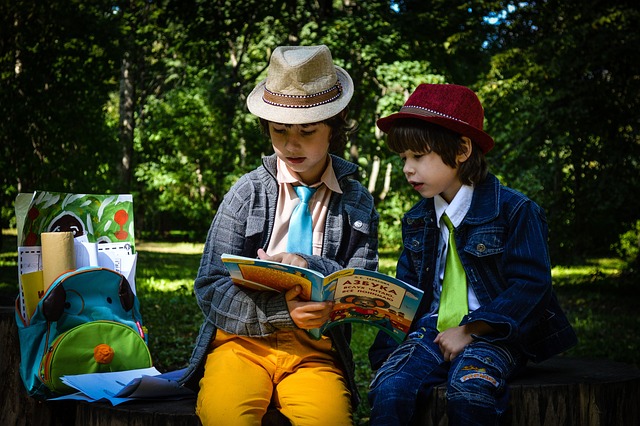
人教版英語(yǔ)三年級(jí)上冊(cè)39頁(yè)下面句子翻譯是:
Look at the cat.It is fat.:看這只貓,它很肥。
Look at the pig.It is big.:看這只豬,它很大。
Look at the dog.It's on the log.:看這條狗,它在圓木上面。
Look at the duck.It's in the truck .:看這只鴨子,它在卡車(chē)?yán)铩?/p>
Look at the bear.It's on the pear.:看這只熊,它躺在梨上面。
以攜廳好上這些句子,可以讓學(xué)生對(duì)表示動(dòng)物的單詞加強(qiáng)記憶。每句話(huà)的最后一個(gè)單詞拼寫(xiě)都很像,比如“cat”和“fat”,“pig”和“big”,“dog”和“l(fā)og”,“duck”和“truck”,“bear”和“pear”,可以通過(guò)聯(lián)想記憶,讓學(xué)辯鉛伏備生們多學(xué)一些單詞。
【 #小學(xué)英語(yǔ)#導(dǎo)語(yǔ)】英語(yǔ)的基礎(chǔ)就是從單詞起步到句子,所謂的句子練習(xí),它包含了你對(duì)單詞的認(rèn)知,包含了你對(duì)語(yǔ)法知識(shí)點(diǎn)的認(rèn)知,包含了你口語(yǔ)能力的認(rèn)知,句子練習(xí)可以讓你知道,用英語(yǔ)思維說(shuō)話(huà)是什么樣的。以下是整理的《三年級(jí)小學(xué)生必背英語(yǔ)句子》,希望幫助到您。
三年級(jí)小學(xué)生必背英語(yǔ)句子篇一
1. Where are you from? I’m from America.
2. Good morning! Good afternoon!
3. Class, we have a new friend today.
4. Who’s that woman? She’s my mother。
5. Who’s that man? He’s my father.
6. Who’s this boy?My brother.
7. I have a new kite.Oh, it’s beautiful.
8. How many kites can you see? I can see 12.
9. The black one is a bird. Oh, how nice!
10. How many crayons do you have? I have 16 crayons.
11. Open it and see. That’s right.
12. Do you like peaches?Yes, I do. /No, I don’t.
13. What about pears? Oh, I like them very much.
謹(jǐn)消野14. Let’s have some peaches and pears.
15. Have some fruits.Thank you, Miss White.
16. Sorry, I don’t like bananas.
17. Can I have an apple, please? Certainly.
18. Have some more? No, thank you.
19. Where is my car?It’s under the chair.
20. Excuse me. Can I use your pencil? No problem.
三年級(jí)小學(xué)生必背英語(yǔ)句子篇二
1. Hello! Hi!
2. Hello! I'm Wu Yifan. I'm from China.
3. What's your name?
4. My name's Chen Jie.
5. I have a pencil. Me too.
6. Good morning. Good afternoon.
7. This is Miss White. Nice to meet you.
8. Where are you from? I'm from America.
9. Let's go to school. OK.
10. How many cakes? One cake
祥喊11. How are you? I'm fine, thank you.
12. Let's paint. Great
13. I like green. Me too.
14. I have a rabbit.
15. Cool! Super! Great! Wow!
16. May I have a look? Sure.
17. Here you are. Thank you. You're welcome
18. I like hamburgers. Me too
19. Have some French fries.
20. Can I have some chicken? Sure.
三年級(jí)小學(xué)生必背橋巖英語(yǔ)句子篇三
1. Here you are. Thank you!
2. Come on, children. Look at the elephant.
3. Wow! It’s so big!It’s so funny!
4. It has a long nose and a short tail.
5. It has small eyes and big ears.
6. Look at the giraffe.Oh, it’s so tall.
7. The giraffe is tall. The deer is short.
8. You’re tall. I’m short.You’re right.
9. Let’s fly it. OK.
10. What a big fish!
11. How old are you? I'm nine.
12.Clap your hands.
13.Very well,thanks.
14.Look at me!
15.Look at my nose!
16.Let’s go to school!
17.This is my face.
18.Close your eyes.
19.Open your mouth.
20.Touch your nose.
【 #三年級(jí)#導(dǎo)語(yǔ)】英語(yǔ)的基礎(chǔ)就是從單詞起步到句子,所謂的句子練習(xí),它包含了你對(duì)單詞的認(rèn)知,包含了你對(duì)語(yǔ)法知識(shí)點(diǎn)的認(rèn)知,包含了你口語(yǔ)能力的認(rèn)知,句子練習(xí)可以讓你或橋知道,用英語(yǔ)思維說(shuō)話(huà)是什么樣的。以下是整理的《小學(xué)三年級(jí)英語(yǔ)句子(三篇)》相關(guān)資料,希望幫助到您。
小學(xué)三年級(jí)英語(yǔ)句子篇一
1.Where are you from?I'm from America.2.Good morning!Good afternoon!
3.Class.we have a new friend today.
4.Who's that woman?.She's my mother.
5.Who's that man?He's my father.
6.Who's this boy?My brother.
7.I have a new kite.Oh.it's beautiful.
8.How many kites can you see? I can see 12.
9.The black one is a bird.Oh.how nice!
10.How many crayons do you have? I have 16 crayons.
11.Open it and see.That's right.
12.Do you like peaches?Yes.I do./No.I don't.
13.What about pears? Oh.I like them very much.
14.Let's have some peaches and pears.
15.Have some fruits.Thank you.Miss White.
小學(xué)三年級(jí)英語(yǔ)句子篇二
1.Hello!Hi!2.Hello!I'm Wu Yifan.I'm from China.
3.What's your name?
4.My name's Chen Jie.
5.I have a pencil.Me too.
6.Good morning.Good afternoon.
7.This is Miss White.Nice to meet you.
中團(tuán)旁8.Where are you from?I'm from America.
9.Let's go to school.OK.
10.How many cakes?One cake
11.How are you?I'm fine.thank you.
12.Let's paint.Great
13.I like green.Me too.
14.I have a rabbit.
15.Cool!Super!Great!Wow!
小學(xué)三年級(jí)英語(yǔ)句子篇三
1.Here you are.Thank you!2.Come on.children.Look at the elephant.
3.Wow!It's so big!It's so funny!
4.It has a long nose and a short tail.
5.It has small eyes and big ears.
6.Look at the giraffe.Oh.it's so tall.
7.The giraffe is tall.The deer is short.
8.You're tall.I'm short.You're right.
9.Let's fly it.OK.
10.What a big fish!
11.May I have a look? Sure.
12.Here you are.Thank you.You're welcome
13.I like hamburgers.Me too
14.Have some French fries.
賣(mài)橡15.Can I have some chicken?Sure.

【 #三年級(jí)#導(dǎo)語(yǔ)】小學(xué)生對(duì)母語(yǔ)的正規(guī)學(xué)習(xí)也是處于起步階段,母語(yǔ)具有的保汪源護(hù)性擾稿心理尚未完全建立起來(lái),語(yǔ)言自我靈活性高,接受和學(xué)習(xí)性的語(yǔ)言能力強(qiáng),此時(shí)學(xué)習(xí)新的語(yǔ)言即英語(yǔ),語(yǔ)言信息就容易攝入。從更加有利于孩子語(yǔ)言形成的角度來(lái)看,小學(xué)生正處于學(xué)習(xí)語(yǔ)言的黃金時(shí)期。以下是整理的相關(guān)資料,希望對(duì)您有所幫助。
【篇一】
1、常問(wèn)自己,誰(shuí)對(duì)我有恩還沒(méi)加倍報(bào)答。
Often ask yourself, who have grace to me not to double repay.
2、成熟,是一個(gè)男人令一個(gè)女人意亂情迷的首要因素!
Mature, is a man to a woman's primary factor yiluanqingmi!
3、把痛苦停在昨天把微笑留給明天。
Stop the pain and leave the smile to tomorrow.
4、天才是百分之一的靈感加上百分之九十九的努力。
Genius is one percent inspiration and ninety-nine percent effort.
5、三軍可奪帥也,匹夫不可奪志也。
An army may be deprived of, man can not be deprived.
6、人生就像一緩陵孝杯茶,不會(huì)苦一輩子,但總會(huì)苦一陣子。
Life is like a cup of tea, not bitter life, but always hard for a while.
7、任何的限制,都是從自己的內(nèi)心開(kāi)始的。
Any restrictions, are from his heart began.
8、不以規(guī)矩,無(wú)以成方園。
No rules, no square garden.
9、長(zhǎng)風(fēng)破浪會(huì)有時(shí),直掛云帆濟(jì)滄海。
I will mount a long wind some day and break the heavy waves, and set my cloudy sail straight and bridge the deep, deep sea。
10、流過(guò)淚的眼睛更明亮,滴過(guò)血的心靈更堅(jiān)強(qiáng)!
The tears that flow through the eyes are brighter and the heart is stronger!
1、你不能左右天氣,但你可以改變心情。
You can't control the weather, but you can change your mood.
2、拿的起,放得下。凡事別勉強(qiáng)!
Take it, put it down. Don't be forced to do everything!
3、生氣會(huì)蒙蔽我們的判斷力。
Anger blinds our eyes.
4、簡(jiǎn)單的事重復(fù)做,你就是專(zhuān)家;重復(fù)的事用心做,你就是贏(yíng)家。
The simple thing to do, you are an expert; repeat the things you do, you are the winner.
5、命運(yùn)就像自己的掌紋,雖然彎彎曲曲,卻永遠(yuǎn)掌握在自己手中。
Like the fate of his palm, although crooked, but always in your hands.
6、你不勇敢,沒(méi)人替你堅(jiān)強(qiáng)!
You are not brave, no one for you to be strong!
7、人可以被*,但絕不能被打敗。
People can be defeated, but can not be defeated.
8、朋友是路,家是樹(shù)。別迷路,靠靠樹(shù)。
Friends are the road, the family is a tree. Don't get lost, lean against the tree.
9、聰明人的嘴藏在心里,愚蠢人的心擺在嘴里。
The mouth of a wise man is in his heart, and the heart of a fool is in his mouth.
【篇二】
1、人生偉業(yè)的建立,不在能知,乃在能行。
The establishment of the cause of life, not to know, but can do.
2、心中有愛(ài),人間即是天堂。
There is love in the heart, the world is heaven.
3、多想什么是自己真正想要的東西,想不透就繼續(xù)想。
Think what is what they really want, want to continue to think.
4、我們沒(méi)書(shū)沒(méi)筆,但是我們有顆不想掛科的心。
We have never had a pen, but we don't want to fail the exam of the heart.
5、理想的路總是為有信心的人預(yù)備著。
The ideal way is always ready for a person with confidence.
6、海闊憑魚(yú)躍,天高任鳥(niǎo)飛。
Wide sea diving, sky.
7、女人對(duì)待感情常有慣性,有了愛(ài),就希望能一直愛(ài)下去。
Women treat feelings often have inertia, with love, just want to be able to continue to love.
8、做與不做的區(qū)別是:后者擁有對(duì)前者的評(píng)論權(quán)。
The biggest difference is that the latter has the right to comment on the former.
9、勇者,腳下都是路;智者,知道走哪一條路。
Brave, at the foot of the road are; the wise man, know which road to take the best.
10、一切美的基礎(chǔ),在于一顆和善而樂(lè)于助人的心。
All the beauty of the foundation, is a kind and willing to help people's heart.
1、打擊與挫敗是成功的踏腳石,而不是絆腳石。
To strike and defeat is a stepping stone to success, rather than a stumbling block.
2、對(duì)于最有能力的領(lǐng)航人風(fēng)浪總是格外的洶涌。
For the most capable of the pilot is always very strong wind and waves.
3、與跟生命有關(guān)的人耗著,少與生命無(wú)關(guān)的事耗。
With people who are related to life, consumption, and life is not unrelated to the matter.
4、世界上那些最容易的事情中,拖延時(shí)間最不費(fèi)力。
The easiest things in the world, the most difficult to delay time.
5、**只對(duì)攀登它而不是仰望它的人來(lái)說(shuō)才有真正意義。
It only has real meaning for those who are climbing it rather than looking at it.
6、人若軟弱就是自己的敵人;人若勇敢就是自己的朋友。
If a man is weak, he is his own enemy; if he is brave, he is his best friend.
7、學(xué)會(huì)寬容,要有一顆寬容的愛(ài)心!
Learn to forgive, to have a tolerance of love!
8、要想青春不留遺憾,小伙必須敢想敢干。
To youth without regret, the guy must be brave.
9、學(xué)會(huì)忘記是生活的技術(shù),學(xué)會(huì)微笑是生活的藝術(shù)。
Learn to forget is the life of the technology, learn to smile is the art of life.
10、沒(méi)有礁石,就沒(méi)有美麗的浪花;沒(méi)有挫折,就沒(méi)有壯麗的人生。
There is no rock, there is no beautiful spray; without setbacks, there is no magnificent life.
【篇三】
1、付出不一定有收獲,努力了就值得了。
Pay is not necessarily a harvest, and strive to be worth it.
2、當(dāng)我們搬開(kāi)別人架下的絆腳石時(shí),也許恰恰是在為自己鋪路。
When we move others stumbling block to the next frame, perhaps it is paving the way for their.
3、工作中成功的秘密在于每天比別人多付出一點(diǎn)。
The secret to success in work is to give a little more to others every day.
4、沒(méi)有不進(jìn)步的人生,只有不進(jìn)取的人!
There is no progress in life, only people who are not aggressive!
5、靠誰(shuí)都不如靠自己。
Who depend on their own.
6、你的工作究竟是酷還是**,取決于你自己的看法。
Your job is cool or horrible, depending on your own opinion.
7、停下來(lái)休息的時(shí)候,不要忘記別人還在奔跑。
When you stop to rest, don't forget that others are still running.
8、只要脊梁不彎,就沒(méi)有扛不起來(lái)的大山!
As long as the backbone does not bend, there is no carry up the mountain!
9、讓夢(mèng)想成真的辦法就是醒來(lái)。
The best way to make your dreams come true is to wake up.
10、我不信命我只信雙手去打。
I don't believe in life. I just believe in both hands.
1、安莫安于知足;危莫危于多言;樂(lè)莫樂(lè)于好善;苦莫苦于多貪。
Ann Ann Mo in contentment; Wei Mo Wei to many words; good music to Mo Mo suffer from corrupt bitter.
2、女人的心是單人房,但男人的心里往往能擱下一張多人床。
A woman's heart is a single room, but the man's heart can often put a bed.
3、不論你在什么時(shí)候開(kāi)始,重要的是開(kāi)始之后就不要停止。
No matter when you start, it is important that you do not stop after the start.
4、如果你最近的工作很閑,注意了,這可能是危機(jī)的先兆。
If your recent work is very busy, pay attention to, this may be a precursor to the crisis.
5、成功的門(mén)往往虛掩著,只要你勇敢去推,它就會(huì)豁然洞開(kāi)。
Often unlatched the door of success, as long as you are brave to push, it will suddenly open.
6、人與人之間的距離,要保持好,太近了會(huì)扎人,太遠(yuǎn)了會(huì)傷人。
The distance between people, to maintain good, too close will tie people, too far will hurt.
7、減少蝸居時(shí)間,親近大自然。
Reduce the dwelling time, close to nature.
8、自私和不耐煩是行事做人的致命傷。
Being selfish and impatient is the fatal wound to act as a human being.
9、最簡(jiǎn)單的事是堅(jiān)持,最難的事還是堅(jiān)持。
The simplest thing is to persist, the most difficult thing is to insist on.
10、成功者學(xué)習(xí)別人的經(jīng)驗(yàn),一般人學(xué)習(xí)自己的經(jīng)驗(yàn)。
Successful people learn from other people's experience, the average person to learn their own experience.
內(nèi)容如下:
1、 向別人問(wèn)好 ――A: Hello! (你好!) B: Hi! (你好!)
2、 問(wèn)別人的名字 ――A:What’s your name? 你叫什 么名字? B:My name’s Chen Jie. 我的跡桐名字是陳潔。
3、 跟別人分手 ――A: Bye.\ Good bye!(再見(jiàn)) B: See you.(再見(jiàn)) \ Goodbye.(再見(jiàn))。
4、 A: I have a ruler\an eraser 我有一姿灶坦把尺子 \ 一塊橡皮。 B: Me too . 我辯扒也有。
5、早上相見(jiàn) ――A: Good morning. 早上好! B: Good morning! 早上好!
6、下午相見(jiàn) ――A: Good afternoon! 下午好! B: Good afternoon! 下午好!
7、跟新朋友第一次見(jiàn)面――A: Nice to meet you! 見(jiàn)到你很高興。 B: Nice to meet you,too! 見(jiàn)到你也很高興!